
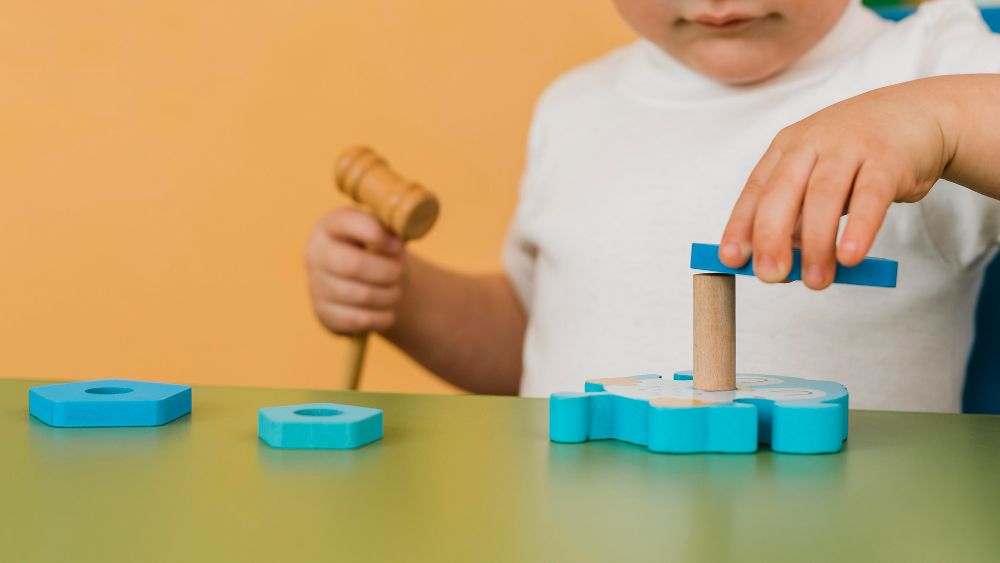
Milestones in early childhood development are important signs of your child’s growth and learning. These child development stages help parents track progress in areas like movement, speech, and social skills. Understanding early childhood growth milestones can help you support your child’s needs. In the United States and worldwide, experts use these milestones to spot healthy development and find any concerns early. Knowing what to expect at each stage helps parents and caregivers feel confident and prepared.
What Are Early Childhood Development Milestones?
Early childhood development milestones are skills or actions most children can do by a certain age. For example, these include sitting, walking, talking, and playing with others. Because each child grows at their own pace, some reach milestones a bit earlier or later than others. However, tracking these milestones helps parents notice if their child is on track. According to the CDC, milestones show how your child is learning, moving, and interacting with the world. In short, they are important for spotting both strengths and possible delays.
Key Milestones by Age Group
Every age group has its own set of child growth milestones. Below are common milestones for infants, toddlers, and preschoolers.
Infants (0–12 months)
Toddlers (1–3 years)
Preschoolers (3–5 years)
Signs of Healthy Development
Healthy development means your child is meeting most milestones for their age. For instance, they show curiosity, respond to sounds, and interact with others. Additionally, children who play, explore, and try new things are often developing well. Parents can watch for these signs at home and during playtime. Regular checkups with your pediatrician also help track progress. If your child is learning new skills and building on old ones, that’s a good sign. Remember, small differences in timing are normal.
When to Seek Professional Advice
Sometimes, children may not reach milestones as expected. If you notice any of these warning signs, it’s best to talk to a pediatrician:
Early action can help address developmental delay signs. Your doctor may suggest tests or refer you to a specialist. In the United States, early intervention services are available for children who need extra support.
Tips to Support Your Child’s Development
Parents play a big role in helping children reach their milestones. Here are some parenting tips for child development:
With these simple steps, you can support healthy growth and learning at home.
Prevention and Early Intervention
Early detection of delays is key to helping children thrive. For example, regular screenings at doctor visits can find issues early. If a problem is found, early intervention can make a big difference. In fact, the CDC and WHO stress that acting early leads to better outcomes. Parents should trust their instincts and seek help if they have concerns. With the right support, most children can reach their full potential.
If you have questions about your child’s milestones, consult a pediatrician Dr Deepshikha Kavya for personalized guidance on your child’s development.