
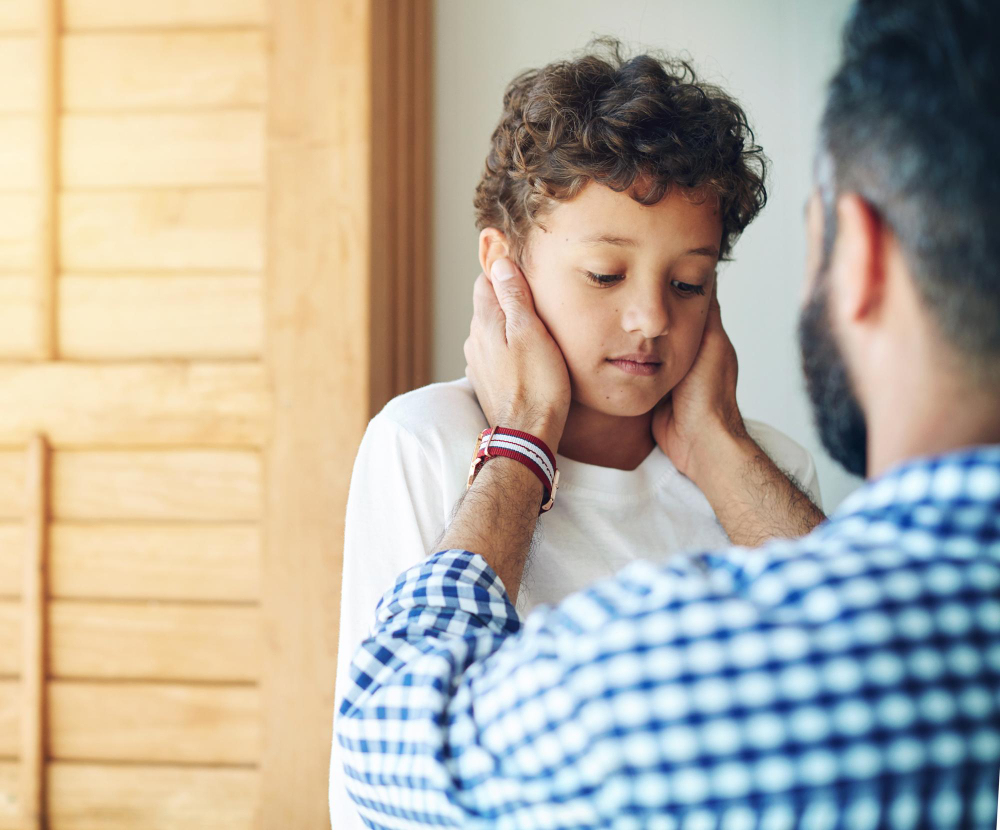
What is Depression in Children?
Depression in children is a mental health condition that affects how kids feel, think, and act. While many people think depression only happens to adults, children can also experience it. In fact, childhood depression signs can be hard to spot because kids may not always talk about their feelings. However, understanding what depression in children looks like can help parents and caregivers support their child’s mental health. Early support can make a big difference in a child’s life.
Common Signs and Symptoms Parents Should Watch For
It is important for parents to know the signs of depression in children. Not every child will show the same symptoms. Still, some common signs include:
Sometimes, these signs can look like normal mood swings. However, if they last for more than two weeks, it may be a sign of depression. For example, a child who once loved playing outside may suddenly lose interest. Or, a child may start having trouble at school. Because these symptoms can be subtle, parents should watch for changes in behavior.
Causes and Risk Factors
Many things can lead to depression in children. Although there is not always one clear cause, some risk factors include:
Additionally, some children may be more sensitive to stress. Because of this, even small changes can affect their mood. While not every child with these risk factors will develop depression, being aware can help parents act early.
How Depression in Children is Diagnosed
Diagnosing depression in children can be challenging. Often, children may not know how to express their feelings. However, doctors use interviews and questionnaires to help identify depression. They may also talk with parents, teachers, or caregivers to learn about the child’s behavior. Sometimes, physical exams are done to rule out other health problems. If you are worried about your child, it is important to speak with a healthcare provider. Early diagnosis can lead to better outcomes.
Treatment Options and Support Strategies
Treating depression in children usually involves several steps. Most often, a mix of therapy, support, and sometimes medication is used. Common treatments include:
Therapy helps children learn how to cope with their feelings. In some cases, medication may be needed. However, this is always decided by a doctor. Because every child is different, treatment plans are tailored to each child’s needs. The Centers for Disease Control and Prevention (CDC) and World Health Organization (WHO) both recommend early support for the best results.
Tips for Parents: Supporting a Child with Depression
Parents play a key role in helping children with depression. Here are some tips to support your child:
Because children may not always ask for help, it is important to check in often. Even small acts of support can make a big difference.
Prevention and When to Seek Help
While not all cases of depression can be prevented, there are ways to lower the risk. For example, building strong family bonds and encouraging healthy habits can help. Also, teaching children how to handle stress is important. If you notice ongoing changes in your child’s mood or behavior, do not wait. Early action is key. In the United States, many resources are available for families. If you are unsure, talk to your child’s doctor or a mental health specialist.
If you notice signs of depression in your child, consult a mental health specialist Dr Deepshikha Kavya for personalized guidance.