
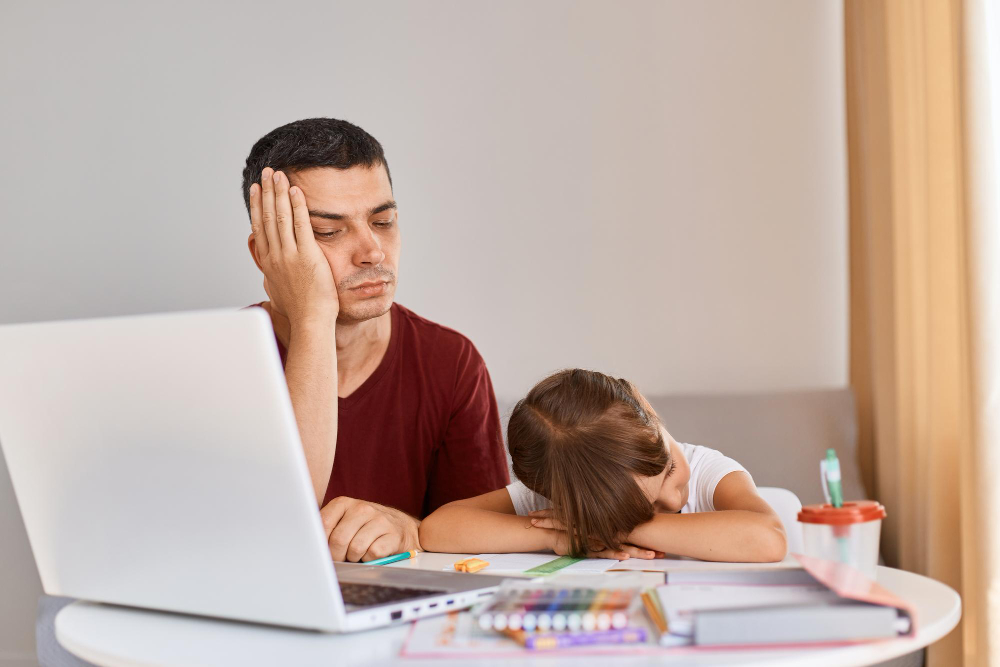
Understanding Academic Stress in Children from Single-Parent Homes
Academic stress in children from single-parent homes is a growing concern. Many children feel pressure to do well in school. However, those in single-parent families may face extra challenges. Because of these added pressures, they might feel more stress than their peers. Academic stress can affect their mood, health, and school performance. According to the World Health Organization (WHO), stress in children can lead to both physical and emotional problems. Therefore, it is important to understand how academic stress affects children from single-parent families and how to help them.
Common Symptoms and Signs of Academic Stress
Children often show signs when they are under academic stress. In single-parent homes, these signs may be more noticeable. For example, some children may become quiet or withdrawn. Others might act out or show anger. Additionally, stress can cause physical symptoms. Watch for these common signs:
Because these symptoms can also be caused by other issues, it is important to look for patterns over time.
Causes and Contributing Factors in Single-Parent Families
Children from single-parent homes may face unique challenges. For instance, they might have less support with homework. Sometimes, they may feel responsible for helping at home. In addition, financial stress can add to their worries. Here are some common causes of academic stress in these families:
Because of these factors, children may feel overwhelmed. But with the right support, they can learn to cope better.
How to Identify and Diagnose Academic Stress
Early identification is key. Parents and caregivers should watch for changes in behavior or mood. Teachers can also help by noting shifts in school performance. If you notice signs of stress, talk with your child. Ask open-ended questions about school and friends. For example, “How do you feel about your homework?” or “Is anything at school making you upset?” If concerns continue, a doctor or mental health professional can help. They may use simple questionnaires or interviews to understand the child’s feelings. According to the CDC, early support can prevent long-term problems.
Effective Treatment Options and Coping Strategies
There are many ways to help children manage academic stress. First, open communication is vital. Encourage your child to share their feelings. Next, set realistic goals for schoolwork. Also, praise effort, not just results. Here are some proven coping strategies:
Because every child is different, try several strategies to see what works best.
Lifestyle Guidance and Practical Tips for Parents and Caregivers
Supporting a child as a single parent can be tough. However, small changes can make a big difference. Consider these tips:
Because support networks are important, do not hesitate to reach out for assistance.
Prevention Strategies for Single-Parent Families
Preventing academic stress is possible. Start by creating a stable home routine. Next, encourage your child to talk about their feelings. In addition, stay connected with teachers and school staff. Here are some prevention ideas:
Because prevention is easier than treatment, start these habits early.
When to Seek Professional Help
Sometimes, stress becomes too much for a child to handle alone. If your child’s symptoms last more than a few weeks, or if they get worse, seek help. Warning signs include:
Because mental health is important, do not wait to get support. A mental health professional can offer guidance and treatment. Local clinics, school counselors, and online resources can help you find the right support.
Conclusion
Academic stress in children from single-parent homes is real, but it can be managed. With understanding, support, and early action, children can thrive. Consult a mental health professional Dr Deepshikha Kavya for personalized support and guidance.