
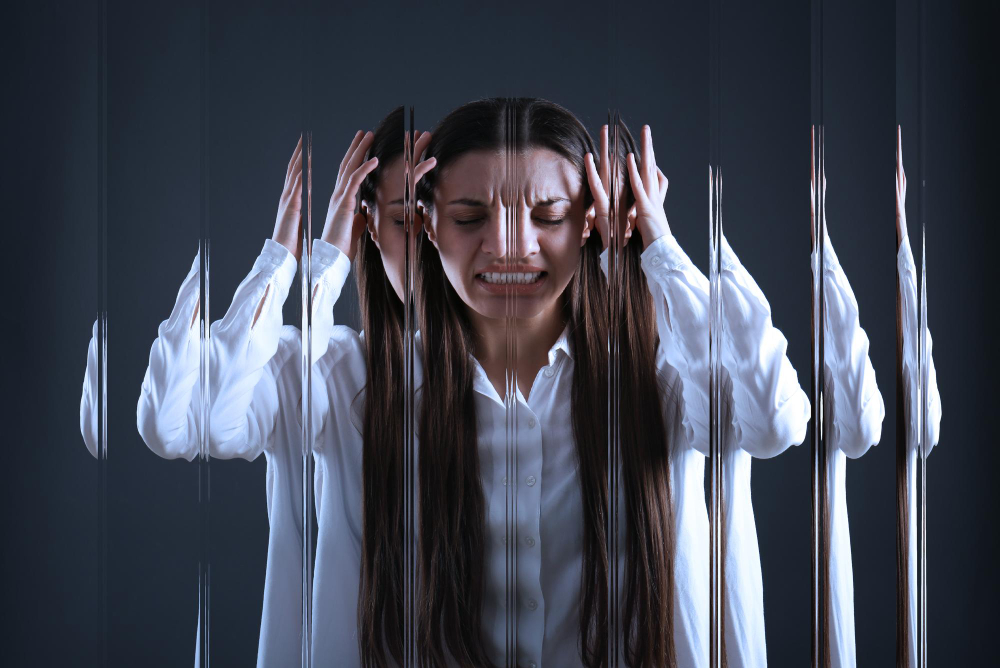
What Is Panic Disorder?
Panic disorder is a mental health condition that causes sudden, repeated panic attacks. These attacks are intense waves of fear that can happen without warning. Unlike regular anxiety, panic disorder can disrupt daily life. However, the good news is that panic disorder is treatable. Many people recover with the right help. Understanding panic disorder symptoms and treatment options is the first step toward feeling better.
How Is Panic Disorder Different from General Anxiety?
Many people feel anxious from time to time. But panic disorder is not the same as general anxiety. For example, general anxiety often builds slowly and relates to stress or worries. In contrast, panic disorder causes sudden, intense panic attacks. These attacks can feel overwhelming and may seem to come out of nowhere. While both conditions affect mental health, panic disorder often needs specific treatment. Knowing the difference between anxiety and panic disorder helps people get the right care.
Common Symptoms of Panic Disorder
Panic disorder symptoms can be both physical and emotional. Not everyone will have the same symptoms, but common signs include:
Sometimes, people avoid places or situations where they had a panic attack before. This can limit daily activities.
Causes and Risk Factors
Experts are not sure what causes panic disorder. However, several factors may increase risk. For instance, family history can play a role. Stressful life events, such as losing a loved one, may also trigger panic attacks. In addition, changes in brain chemistry or certain medical conditions can be linked to panic disorder. The World Health Organization notes that mental health conditions often have many causes. Understanding your own risk factors can help with prevention and treatment.
Diagnosis: How Panic Disorder Is Identified
Doctors diagnose panic disorder by asking about your symptoms and medical history. They may also do a physical exam to rule out other causes. Sometimes, tests are used to check for heart or thyroid problems. According to the CDC, a mental health specialist may use questions or checklists to help with diagnosis. For a diagnosis of panic disorder, a person usually has repeated, unexpected panic attacks and worries about having more.
Effective Treatments for Panic Disorder
Panic disorder is treatable. Many people feel better with the right help. Treatment options include:
Sometimes, a mix of therapy and medication works best. Always talk to a mental health professional before starting any treatment.
Lifestyle Tips and Self-Help Strategies
In addition to medical treatment, self-help steps can make a big difference. For example, you can:
Although these steps may not cure panic disorder, they can help reduce symptoms and improve well-being.
Prevention and When to Seek Help
While you cannot always prevent panic disorder, early action can help. For instance, managing stress and seeking help for anxiety can lower risk. If you notice panic disorder symptoms, do not wait to get help. In fact, reaching out early can lead to better results. If panic attacks are affecting your life, talk to a doctor or mental health specialist. Many communities offer support and resources for mental health.
If you or someone you know is struggling with panic disorder, consult a mental health specialist Dr Deepshikha Kavya for personalized guidance.